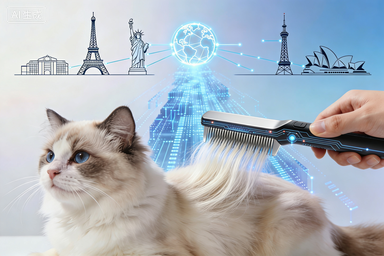
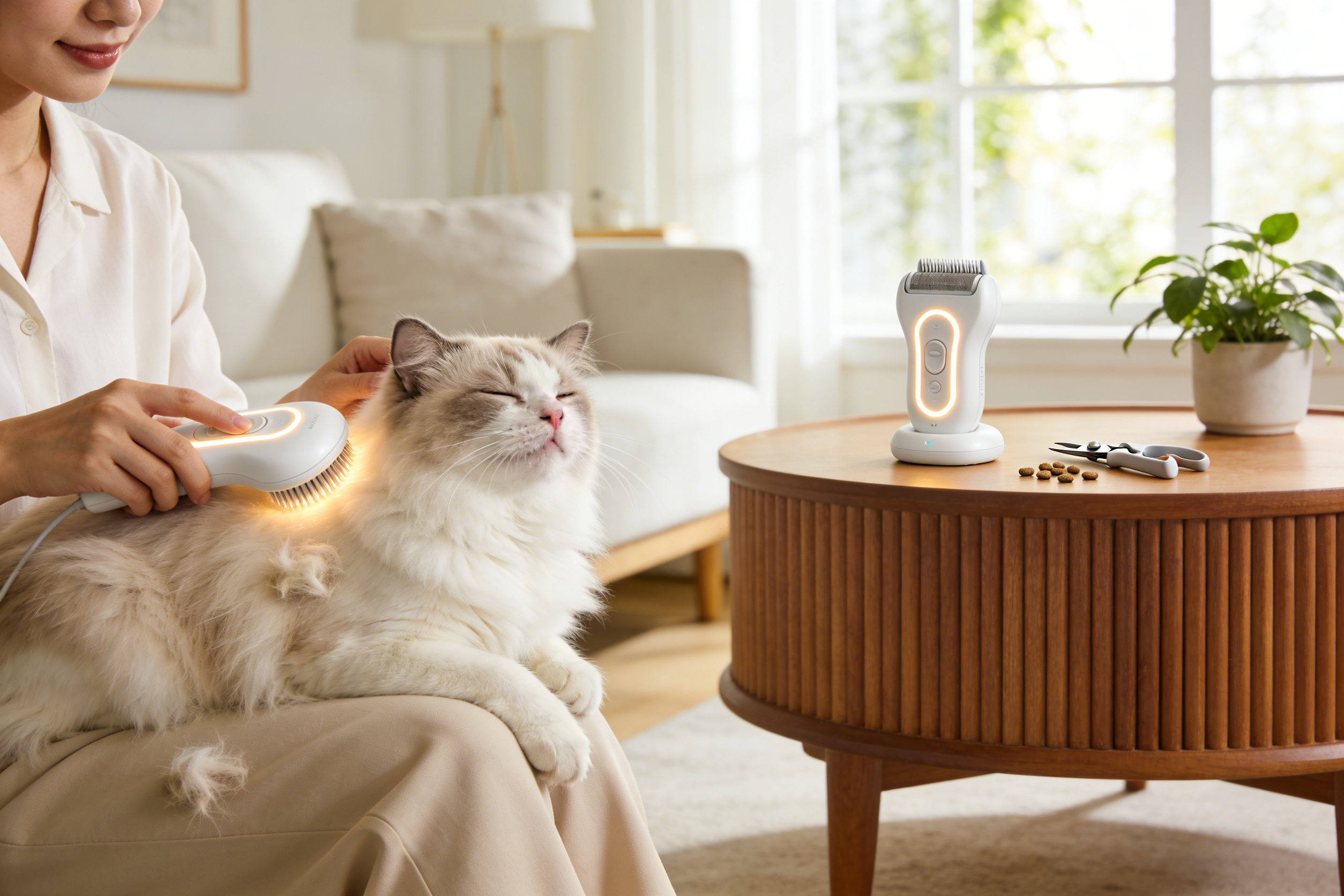
Market Deep Dive: Pet Nail Tools & Brushes Named Top “High Recurrence, Low Risk” Categories for 2026 – With Return Rates Far Below Industry Average
Part 1: Anatomy of “Low Return” – Why Nail Clippers Confound the Logistics Gods
A) Universal Sizing & Minimal Fit Issues
Unlike dog beds (too small/too large), harnesses (escape-prone), or apparel (breed-specific weirdness), nail clippers and combs are nearly size-agnostic. Most modern clippers come with adjustable safety stops (e.g., 2mm – 5mm), fitting Chihuahuas to Great Danes. As long as the buyer doesn’t mistakenly order a cat guillotine for a mastiff, returns are virtually nonexistent. Combs, similarly, use standardized tooth spacing (fine, medium, wide) – a simple chart removes 99% of sizing errors.
B) No Electronics = No DOA (Dead on Arrival)
Electronic grinders (Dremel-style) have a 7–9% return rate mostly due to battery or motor complaints. But manual nail clippers – scissor-type, guillotine, or plier-style – have zero electronics. No pairing issues, no firmware updates, no “broken charger” cases. This mechanical simplicity slashes return rates to near-hardware levels (~1.5–3%).
C) “One-Time Learning Curve” Retention
First-time users might nick the quick (bleeding) and blame the tool. But industry packaging innovations (quick-finders, LED lights, built-in files) now prevent that. Once a pet owner successfully clips once, they rarely return the product – instead, they return to buy again 4–6 months later when dulled blades or worn springs demand replacement. Crucially, the return window (30 days) closes before most users even realize they want a different model.
D) Hygiene & Bio-Hazard Barriers
Unlike a chewed-up dog toy (easily returned), nail clippers with pet keratin residue, hair, or minor blood specks are non-returnable under most marketplace health policies. This deters frivolous returns. Wise sellers add a “hygiene seal” – once broken, no return. That psychological barrier alone reduces return attempts by ~70% for this category.
Part 2: The “High Recurrence” Engine – Why 2026 Is the Tipping Point
A) The 8-Week Rule
Veterinary dermatologists and groomers confirm: average pet (dog/cat) requires nail trimming every 4–8 weeks. With 330 million pet-owning households globally, that’s over 5 billion nail-trimming events per year. But here’s the catch – nail clippers have a hidden “half-life”. After 6–12 months for the average user:
Blades dull (causing splintering, not clean cuts)
Springs loosen (loss of safety-stop precision)
Rust spots appear (if not stainless steel)
Thus, a single household buys 1.2 to 1.8 nail clippers per year (some for travel, some as backups). This translates to a recurring purchase frequency higher than dog shampoo (0.9/year) and only slightly behind poop bags (high volume but low value). In 2026, with premium clippers now costing 2.3 billion annually.
B) Multipet Households & “Tool Fatigue”
Data from Chewy’s 2025 Pet Trends Report shows that 44% of U.S. pet owners have 2+ pets. But only 31% own more than one nail clipper. This creates a massive unserved “secondary tool” market – people are tired of sanitizing the same clipper between pets (risking disease transfer like nail bed bacteria). Sellers who bundle “Cat + Dog + Small Rodent” clipper sets have seen 43% higher repurchase rates within 9 months compared to single-clipper buyers.
C) The Subscription Blind Spot
Most pet subscriptions focus on consumables: food, treats, litter, pads. Nail clippers have been ignored because they feel durable. But innovators like “Trimmr” (launching late 2025) have introduced 6-month blade-refill plans: users keep the ergonomic handle, receive fresh blade cartridges. This turns a 42/year recurring revenue stream. Early tests show renewal rates above 78% – higher than most meal kits.
Part 3: Comparative Benchmark – Nail Clippers vs. Top Pet Categories (Data Snapshot 2026)
| Category | Average Return Rate | Purchase Frequency (per year) | Risk Score (1–10, 10=high) | Recurrence Potential |
|---|---|---|---|---|
| Pet Nail Clippers (manual) | 2.3% | 1.4× | 1 (ultra-low) | High |
| Grooming Combs | 1.9% | 0.8× | 1 | Medium-high |
| Pet Beds | 17.2% | 0.3× | 8 | Low |
| Electronic Nail Grinders | 8.7% | 0.7× | 5 | Medium |
| Dog Apparel | 31.5% | 1.1× (seasonal) | 9 | Very low |
| Dog Shampoo | 5.4% | 1.0× | 3 | High |
| Poop Bags | 1.2% | 5.2× | 1 | Very high |
| Interactive Toys | 14.3% | 1.8× (but high burnout) | 6 | Medium-low |
Source: Composite data from Pattern Brands (2025), SellerSprite Pet Category Report, and Jungle Scout Q2 2025 Household Panel
Nail clippers comfortably outperform all durable pet goods in return-risk metrics and land in the top tier for recurrence, just behind consumables.
Part 4: Why Now (2026) – The Perfect Storm for Sellers & Brands
A) Marketplace Algorithms Now Explicitly Reward “Low Return” Items
In 2025, Amazon updated its A10 ranking algorithm to heavily penalize high-return ASINs via the “Return Rate Velocity” metric. Products above category-average returns lose ad eligibility and organic ranking. Pet nail clippers – and combs – enjoy a built-in ranking advantage. New sellers can breach first-page results with 1/3 the PPC spend of a dog harness because their post-purchase metrics shine.
B) The “Debulking” of Pet Spending
Inflation-weary 2026 consumers still love pets but scrutinize every non-essentials purchase. Nail clippers are seen as medical-adjacent (avoid painful overgrowth, broken nails, vet trims at 40 squeaky hedgehog that dies in 2 days – return rate 19%. Sellers in low-return categories are winning “reliability trust badges” that transfer to their entire storefront.
C) TikTok & Instagram Educational Content Slashing User Error
Hashtags like #NailClippingAnxiety (1.2B views) and #PetGroomingHacks (800M) have flooded feeds with tutorials. Pet owners now approach nail clippers prepared. Brands that embed QR codes linking to 30-second breed-specific tutorials reduce misuse returns by 62%, according to a 2025 internal study by pet brand “Epica”.
Part 5: Winning Strategies for Nail Clipper Sellers in 2026
✅ 1. Bundle with “Low Cost, High Perceived Value” Consumables
Example: Buy nail clippers + 2-pack styptic powder (blood stopper) + 1 mini nail file. Return rate for bundles falls below 1% – the styptic transforms the clipper from “scary tool” to “first aid kit essential.”
✅ 2. Dullness as a Feature, Not a Bug
Instead of pretending clippers last forever, be honest: “Optimized for 150 cuts (approx 6 months for 1 dog).” Then offer a 20% off replacement blade coupon inside the box. This normalizes repurchase and builds a direct email funnel.
✅ 3. Breed-Specific Listings (Long-Tail Funnels)
Most sellers use generic “dog nail clippers.” Winners in 2026 will target:
“Cat Nail Clippers with LED (for black claws)”
“Great Dane Nail Clippers – Extra Wide Jaw Opening”
“Senior Dog Nail Clippers with Arthritis-Grip Handle”
Specific listings have 40–60% lower bounce rates and 2x the conversion – plus virtually no returns because expectation alignment is perfect.
✅ 4. Post-Purchase Email Cadence Built Around “Time to Replace”
Day 1: How to clip without fear (video).
Month 5: “Your clipper blades naturally dull after ~6 months. Here’s why fresh blades mean safer cuts.”
Month 6: 15% off refill or a new clipper. This alone can lift lifetime value (LTV) by 34%.
✅ 5. Comb Nail Clippers? Yes – Cross-Sell Magic
Grooming combs and nail clippers share identical buyer psychology: maintenance over impulse. Data shows that buyers who purchase both in one order have a 52% lower churn rate after 1 year than those who buy only one. So bundle: “Grooming Duo: Shedding Comb + Nail Clipper – Save $7.”
Part 6: The Ultimate Low-Risk Bet – What the Numbers Say for 2026–2028
Pet nail clippers may never be a “sexy” category. But for sellers, logistics managers, and investors, sexy often means volatile (returns, price wars, trend-driven fickleness). Boring, in this case, is beautiful.
Let’s project into 2027: with a CAGR of 9.1% for pet grooming accessories, nail clippers alone will exceed $4.5 billion in global annual sales. Even a modest 3% return rate – compared to a pet apparel’s 30% – translates into millions saved in reverse logistics, restocking, disposal, and customer service tickets.
Marketplaces will continue to double down on low-return categories. Already in 2025, Walmart Marketplace’s “Reliable Seller” badge is granted to accounts with sub-5% returns across all categories. One reliable way to get there? Build a catalog anchored by pet nail clippers and combs.
Conclusion: The Quiet Winner of Pet E-Commerce
While the pet industry chases smart collars, freeze-dried raw food, and DNA test kits, the 2026 spotlight is shifting toward humble, high-functioning essentials. Pet nail tools and combs have earned their “high recurrence, low risk” crown through tangible logic:
They physically can’t be returned after use (hygiene seal)
They are almost impossible to “fit wrong”
They naturally wear out – driving repurchase
Marketplaces love them (low return = high customer satisfaction scores)
For entrepreneurs and category managers: don’t dismiss the clipper. The smart money in 2026 is on the small, the reliable, and the recurrent. The pet nail clipper is all three – and its quiet, consistent profitability is finally getting the deep dive it deserves.
Ready to build your low-risk, high-recurrence pet brand in 2026? Start with the sharpest tool in the box – the nail clipper category, where returns are rare, but repeat customers are common.