The 49-Day Creep: How the Cape of Good Hope Detour Is Breaking UK Pet Nail Clipper Stock—and Why Chinese Sellers Have a Once-in-a-Decade Window
The "Clipper Crunch" No One Is Talking About
Walk into any mid-sized pet supply retailer in the UK right now, and you will find shelves of dog beds, leashes, and bowls. But ask for a reliable pair of nail clippers—particularly guillotine-style or safety grinders—and you may get a shrug. Why? Because nail clippers are caught in a perfect storm of three factors:
High turnover, low buffer – Unlike grooming tables or dryers, nail clippers are consumable-adjacent. They get lost, dulled, or broken. Retailers typically hold thin inventory, expecting quick replenishment from China every 4–6 weeks. That model is now broken.
Professional demand spillover – With UK groomers raising prices due to their own energy and shipping cost inflation, more pet owners are buying clippers for home use. This is a structural demand shift, not a blip. But those home users are picky: they want safety features, ergonomic grips, and—crucially—availability now.
Air freight impossibility – Nail clippers are small but dense. Their weight-to-value ratio makes air freight cost-prohibitive for all but the most premium products. Importers cannot simply "fly them in" to bridge the gap without destroying margins.
The result? A slow-motion stockout that British distributors are only now beginning to fully feel. By the time they panic-order, Chinese suppliers who act first will have locked in the contracts.
Why This Is Not a General "Pet Supply" Opportunity—It Is a Nail Clipper–Specific Window
Big-ticket pet items (crates, carriers, furniture) are planned purchases. Pet owners will wait for them. Nail clippers, however, are often an unplanned necessity—the dog's nails are already clicking on the floor, and the old clipper just broke or went dull.
That urgency creates zero tolerance for stockouts. When a UK pet owner cannot find a decent pair of local clippers, they will do three things:
Buy a cheap, low-quality alternative (and blame the retailer later).
Order from a U.S. or EU-based Amazon seller with faster regional logistics.
Delay grooming, which leads to overgrown nails, which leads to vet visits.
For Chinese sellers, the goal is simple: intercept that frustration before the customer clicks away. To do that, you need to solve not just manufacturing, but perception.
The Strategic Pivot: From "Factory" to "Inventory Partner"
Most Chinese nail clipper manufacturers still market themselves as low-cost producers. That message is outdated for the current crisis. UK importers do not need another price quote; they need inventory certainty.
Here are three concrete, original strategies tailored to the Cape detour crisis:
1. The "Split Transit" Promise
Do not ask UK buyers to choose between slow sea freight and ruinous air freight. Instead, offer a tiered solution:
20% of order via express sea freight (using the few carriers still risking accelerated routes, bonded warehousing in Dubai as a relay point).
80% via standard Cape route for baseline restocking.
A fixed cap on transit time variance (e.g., "we guarantee ship departure within 5 days of payment—no factory delays on top of ocean delays").
Why this works: It removes the double uncertainty of production lag + shipping lag. UK importers can plan promotions around your guaranteed window.
2. The "Quick-Fix" Bundle for Home Users
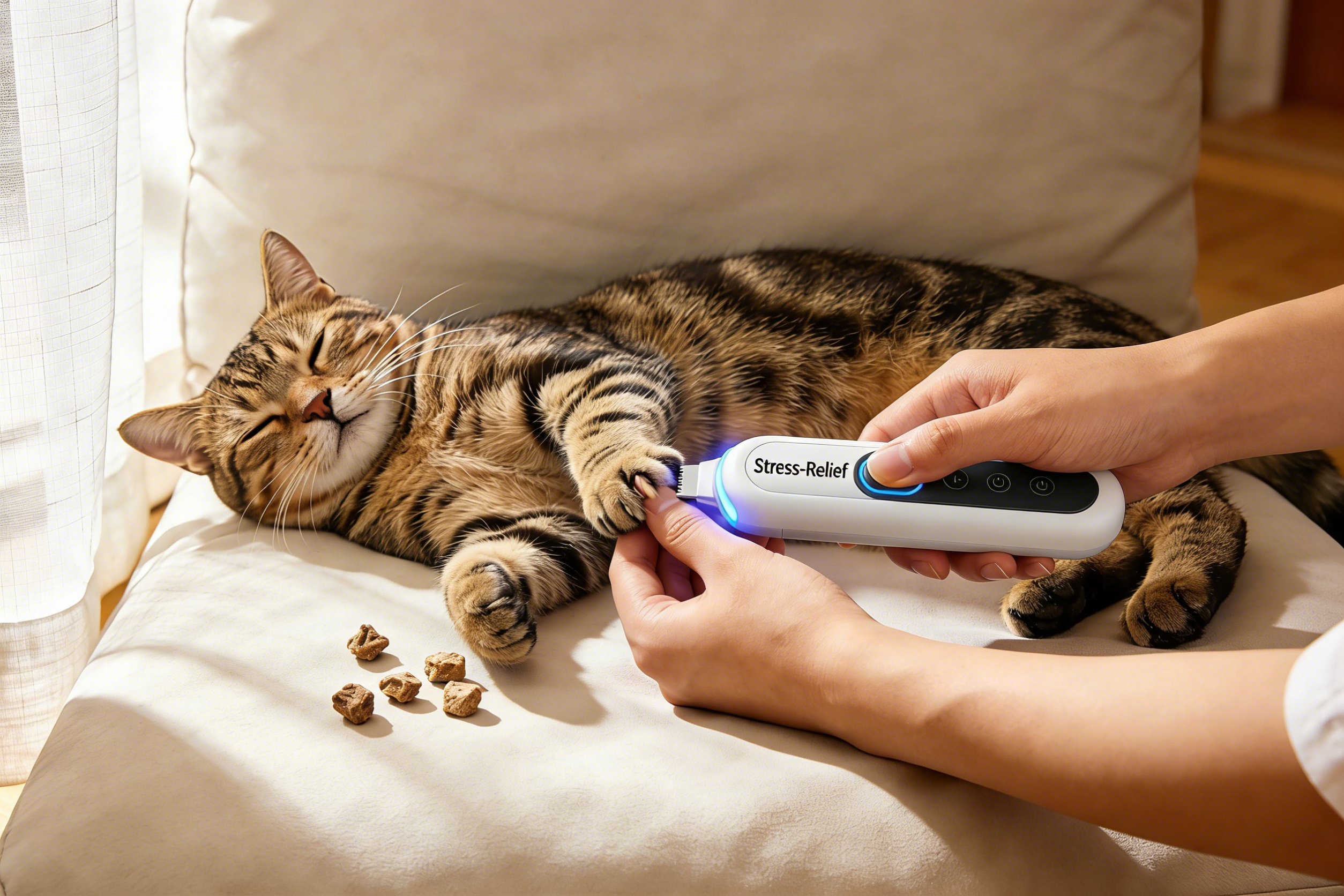
The detour has disrupted not just logistics but pet behavior. With fewer professional grooming slots available, first-time home groomers are buying clippers. But they are scared of hurting their pets.
Design a specific SKU for this moment:
LED visibility lights (to see the quick in dark or thick nails).
Dual-mode clipper/grinder (one tool, two functions—reduces decision paralysis).
A QR code on the package linking to a 3-minute "anxiety-free clipping" video in English (not a generic manual).
Pricing that sits just below a single professional grooming session (£12–£15).
This is not a "better mousetrap." It is a crisis-specific solution. And no UK brand is currently shipping these at scale because their Chinese suppliers are still sending generic bulk orders.
3. The "Warehouse Bridge" Model
The most aggressive move: forward-deploy inventory. Lease small warehouse space in the UK (or partner with a 3PL like XPO or Wincanton) for a rotating buffer stock of your top three nail clipper SKUs. Ship a full container via the Cape route—slowly—but then fulfill UK retailer restocks locally from that buffer. When the buffer hits 40%, trigger the next sea shipment.
This is capital-intensive but creates moat. Once a UK distributor knows you have boots on the ground, they will reroute future orders to you, not back to a slower competitor.
The Numbers That Matter Right Now
Average UK pet nail clipper retail price: £8–£25 depending on features.
Cost to air freight 1,000 units from Shenzhen to London: roughly £2.50–£3.00 per unit (untenable for sub-£10 clippers).
Cost to sea freight via Cape of Good Hope: roughly £0.40–£0.60 per unit, but with that 84-day total lead time (up from 35 days).
Current UK stockout rate for mid-tier safety clippers: estimated 22–30% across independent retailers (based on spot checks of wholesaler backlogs).
The gap is not theoretical. It is already showing up in delayed orders and lost sales.
What Chinese Sellers Should Not Do
Do not:
Wait for the Red Sea to reopen. It will not happen quickly enough to save this quarter.
Compress prices further. Margins are thin enough. Instead, compete on delivery reliability.
Send generic "pet nail clipper" listings. UK buyers are now brand-agnostic but quality-sensitive. A clean, safety-focused listing with real certifications (CE, UKCA) wins.
Do not market to UK distributors the same way you market to U.S. buyers. The UK pet market is more mature in "pet humanization" trends but more conservative in logistics expectations. British importers hate surprise fees and late deliveries more than they hate higher unit costs.
The Closing Window
Every day a Chinese supplier hesitates, a UK importer places a smaller-than-needed order with an existing partner, hoping the Suez situation normalizes. It will not—not in time. The Cape route is now the de facto standard for at least the next 12–18 months. That 49-day detour is permanent enough to reshape supply chain relationships.
For nail clippers—small, essential, high-turnover—the window will close not when the Red Sea reopens, but when UK importers finish rebuilding their safety stock with the incumbent suppliers who adapt first. If you are not at that table by the end of this quarter, you will be scrambling for leftovers.
So here is the blunt ask: stop selling "pet nail clippers." Start selling logistical certainty for the Cape route era. The 49 days are not a problem for your customer. They are your competitive advantage.